
Food Storage · Pantry · Counter · Ripening · Food Waste
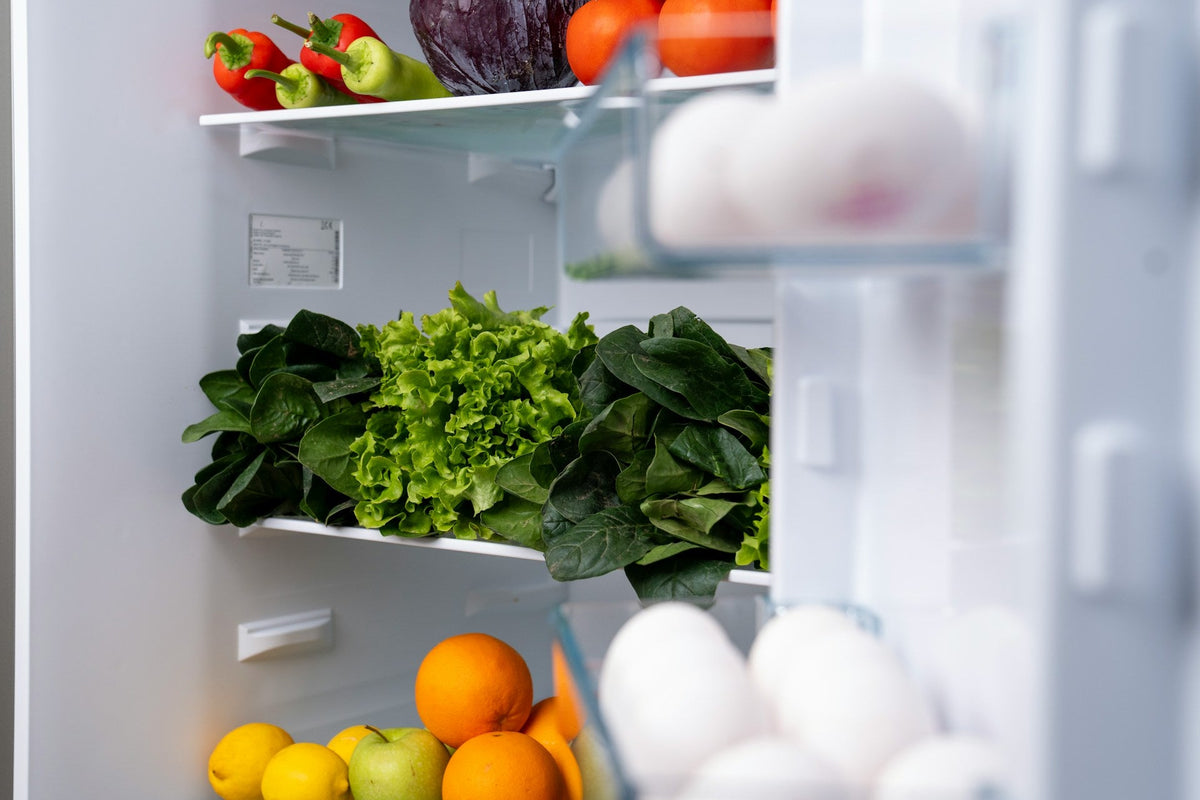
The refrigerator is not automatically the best place for every food. Cold temperatures can interrupt ripening, damage chill-sensitive produce, change flavor and texture, accelerate bread staling, or simply provide no useful benefit.
But “do not refrigerate” needs one important qualification: the right storage location often changes as food ripens, is cut, peeled, cooked, or opened. An unripe avocado belongs on the counter; a ripe avocado can move into the refrigerator. A whole onion belongs in a cool, ventilated pantry; a cut onion belongs in the fridge.
This guide covers 20 foods you should not refrigerate in their normal whole or unripe state, plus the exceptions that matter for food safety and reducing waste.
What Foods Should Not Be Refrigerated?
These 20 foods generally belong on the counter or in a cool pantry first:
Tomatoes, potatoes, sweet potatoes, dry onions, whole garlic, winter squash, pumpkins, basil, green bananas, unripe avocados, unripe peaches, unripe nectarines, unripe pears, unripe plums, unripe mangoes, unripe papayas, whole watermelons, whole cantaloupes, bread, and honey.
The reason is not always the same. Some are sensitive to chilling. Some need room temperature to finish ripening. Some. including potatoes, onions and garlic, prefer cool, dark, dry, ventilated storage. Bread stales faster in refrigeration, while honey can crystallize unnecessarily.

Important exception: once produce is cut, peeled or sold pre-cut, refrigeration may become necessary. Follow package instructions and food-safety guidance rather than applying the “counter” rule indefinitely.
1. 20 Foods You Should Not Refrigerate: Quick Reference
| # | Food | Best First Storage | When Refrigeration Makes Sense |
|---|---|---|---|
| 1 | Tomatoes | Counter, away from direct sun | After cutting; very ripe tomatoes may also be chilled to slow further deterioration |
| 2 | Potatoes | Cool, dark, dry, ventilated pantry | Not the normal household storage method for raw potatoes |
| 3 | Sweet potatoes | Cool, dry, dark location | After cooking |
| 4 | Dry onions | Cool, dry, ventilated pantry | After cutting or peeling |
| 5 | Whole garlic | Dry, dark, well-ventilated location | Peeled or chopped garlic |
| 6 | Winter squash | Cool, dry pantry | After cutting or cooking |
| 7 | Pumpkins | Cool, dry storage area | After cutting or cooking |
| 8 | Green bananas | Counter until ripe | After reaching preferred ripeness |
| 9 | Unripe avocados | Counter until ripe | Once ripe |
| 10 | Unripe peaches | Counter until ripe | Once ripe |
| 11 | Unripe nectarines | Counter until ripe | Once ripe |
| 12 | Unripe pears | Counter until ripe | Once ripe |
| 13 | Unripe plums | Counter until ripe | Once ripe |
| 14 | Unripe mangoes | Counter until ripe | Once ripe |
| 15 | Unripe papayas | Counter until ripe | Once ripe |
| 16 | Whole watermelon | Room temperature for normal short-term storage | After cutting; chilling may also extend a ripe whole melon when needed |
| 17 | Whole cantaloupe / muskmelon | Counter while ripening | Once ripe or after cutting |
| 18 | Basil | Stems in water at room temperature | Only when a specific packaging method requires it |
| 19 | Bread | Room temperature for short use; freezer for longer storage | Only when ingredients require refrigeration or mold prevention outweighs texture |
| 20 | Honey | Tightly sealed at room temperature | Usually unnecessary |
UC Davis Postharvest Technology specifically separates produce into foods best stored in the refrigerator, foods that should ripen on the counter first, and foods normally stored at room temperature. See the UC Davis fresh produce storage guide.
2. Why Should Some Foods Not Go in the Refrigerator?
Refrigeration slows many biological and microbial processes, which is extremely useful for perishable food. But plants evolved under very different temperature conditions, and many tropical or subtropical crops are sensitive to temperatures colder than their normal growing environment.
Reason 1: Cold Can Cause Chilling Injury
Some produce suffers physiological damage at refrigerator temperatures even though it does not actually freeze.
Possible symptoms include:
- pitting;
- water-soaked tissue;
- poor ripening;
- browning;
- loss of aroma;
- mealy or unusual texture;
- faster decay after the produce returns to room temperature.
Reason 2: Some Fruit Still Needs to Ripen
Avocados, peaches, nectarines, pears and plums continue changing after harvest.
Putting them into cold storage too early can slow the ripening process before the fruit develops the texture and flavor you bought it for.
Reason 3: Dry Pantry Foods Need Low Moisture, Not Refrigerator Humidity
Whole onions and garlic need ventilation. Potatoes need darkness and airflow.
A cool refrigerator is not automatically equivalent to a cool, dark pantry because humidity, condensation and temperature are different.
Reason 4: Some Foods Simply Do Not Benefit
Honey does not need refrigeration for ordinary storage. Bread generally stays softer at room temperature or preserves better through freezing rather than refrigeration.
“Do Not Refrigerate” Is Usually a Stage-Specific Rule
Whole, unripe and intact food may belong outside the refrigerator. The answer can change immediately after the food ripens, is peeled, sliced, cooked, or opened.
3. Pantry Vegetables: Foods 1–7
1. Tomatoes
Best first location: CounterWhole tomatoes generally retain better flavor and texture at room temperature. UC Davis advises keeping tomatoes on the counter rather than in the refrigerator for best tomato flavor.
Keep them out of strong direct sunlight and avoid piling ripe tomatoes where they bruise one another.
Exception: cut tomatoes must be refrigerated promptly. Refrigeration can also be useful for a tomato that is already fully ripe when the alternative is letting it over-ripen and become waste.
For tomato handling, food safety and composting, see Are Tomatoes Safe to Eat Now?.
Authority: UC Davis Postharvest Research and Extension Center — Tomato Storage.
2. Potatoes
Best location: Cool + dark + dry + ventilatedPotatoes are one of the clearest examples of a food that should not automatically go into the refrigerator.
FDA notes that refrigerated potato storage can increase reducing sugars and can lead to more acrylamide when potatoes are later fried, roasted or baked at high temperatures.
Store ordinary household potatoes outside the refrigerator in a dark, cool pantry-style location with airflow.
Keep them away from light, which encourages greening, and remove heavily sprouted, green, leaking or rotten potatoes from edible use.
Read the complete Potato Storage, Sprouts & Safety Guide and Can You Compost Potato Skins & Peels?.
Authority: FDA — Acrylamide and Diet, Food Storage, and Food Preparation.
3. Sweet Potatoes
Best location: Cool, dark pantryWhole uncooked sweet potatoes also prefer a cool, dry, dark location rather than ordinary refrigerator temperatures.
UC Davis includes sweet potatoes among produce recommended for room-temperature storage.
Do not wash them before storage unless you intend to cook them soon. Surface moisture can shorten storage life.
Exception: cooked sweet potatoes are perishable leftovers and belong in the refrigerator.
4. Dry Onions
Best location: Cool, dry, ventilated pantryWhole dry onions need airflow and low moisture more than they need refrigeration.
A mesh bag, basket or other ventilated container in a cool, dark pantry is usually preferable to a humid refrigerator drawer.
Do not tightly seal whole onions in plastic.
Exception: once an onion is cut or peeled, move it into a covered refrigerated container.
For the full shelf-life and spoilage decision tree, read How to Store Onions: Fridge, Shelf Life, Cut Onions & Spoilage.
5. Whole Garlic Bulbs
Best location: Dry + dark + ventilatedWhole garlic bulbs generally store better in a breathable container in a dark, dry area than in the refrigerator.
Keep the bulb intact until you need cloves. Breaking the head exposes individual cloves and shortens their useful storage period.
Exception: peeled and chopped garlic has different handling requirements and should be refrigerated or frozen appropriately.
Garlic scraps that are no longer edible can still be biologically processed. See Can You Compost Garlic?.
6. Winter Squash
Best location: Cool, dry pantryWhole winter squash such as butternut, acorn, spaghetti and similar hard-skinned squash can usually remain outside the refrigerator.
The protective rind helps them tolerate longer pantry storage than tender summer squash.
Keep them dry, avoid bruising, and inspect the stem and rind periodically.
Exception: once winter squash is cut or cooked, refrigerate the exposed flesh.
7. Pumpkins
Best location: Cool, dry storage areaWhole intact pumpkins follow much the same logic as winter squash.
A dry, well-ventilated location away from strong heat and direct sunlight is generally more practical than taking up refrigerator space.
Exception: cut pumpkin and cooked pumpkin belong under refrigerated food-storage rules.
4. Fruit That Should Ripen Outside the Fridge: Foods 8–17
Several fruits in this list are not “never refrigerate” foods. They are do not refrigerate too early foods.
UC Davis specifically places avocados, nectarines, peaches, pears and plums in the category “ripen on the counter first, then store in the refrigerator.”
8. Green Bananas
Counter until ripe → Fridge afterwardGreen bananas should ripen at room temperature.
Putting them into the refrigerator too early can interfere with normal ripening and darken the peel.
Once bananas are ripe, the refrigerator becomes useful because cold slows further softening. The peel may turn brown or black while the fruit inside remains usable.
See How to Make Bananas Last Longer for the full counter → refrigerator → freezer sequence.
9. Unripe Avocados
Counter until ripe → Refrigerate ripe fruitAn unripe avocado needs time at room temperature to soften and develop its expected texture.
Once it yields gently to pressure and reaches the ripeness you want, refrigeration can slow further ripening and buy extra time.
When the avocado is finally used, the peel and pit do not have to become trash. Avocado skins are compostable, while the dense pit breaks down much more slowly and should be broken into smaller pieces before processing. See Can You Compost Avocado Skin and Pits? for the full avocado-specific composting guide.
10. Unripe Peaches
Counter until ripe → Refrigerate afterwardPeaches continue ripening after harvest.
Keep firm, unripe peaches at room temperature until they soften and develop aroma. Once ripe, move them to the refrigerator if they will not be eaten promptly.
Avoid stacking ripe peaches deeply because bruising accelerates quality loss.
11. Unripe Nectarines
Counter until ripe → Refrigerate afterwardNectarines follow the same basic storage sequence as peaches.
Let firm fruit ripen at room temperature, then refrigerate ripe nectarines when you need to slow further softening.
12. Unripe Pears
Counter until ripe → Refrigerate afterwardMany pears are harvested before they are ready to eat and finish ripening after harvest.
Allow them to ripen at room temperature. When the neck near the stem gives slightly to gentle pressure, refrigeration can slow further ripening.
13. Unripe Plums
Counter until ripe → Refrigerate afterwardFirm plums are another counter-first fruit.
Once they soften and develop their expected aroma and flavor, the refrigerator can extend the useful eating window.
14. Unripe Mangoes
Counter until ripeUnripe mangoes should finish ripening at room temperature.
Cold storage too early can slow that process. Once a mango becomes ripe, refrigeration is useful when you need additional time before eating it.
15. Unripe Papayas
Counter until ripeFirm, unripe papayas should remain at room temperature until the skin changes color and the fruit begins to soften.
Once ripe, cold storage can slow further deterioration.
16. Whole Watermelon
Whole: Room temperature · Cut: RefrigeratorAn intact watermelon does not need to occupy refrigerator space for ordinary short-term storage.
UC Davis includes whole watermelon among fruits suitable for room-temperature storage.
Once cut, the answer changes completely. FDA advises that pre-cut produce be refrigerated, and cut melon should not remain at room temperature indefinitely.
17. Whole Cantaloupe or Muskmelon
Counter while ripening · Refrigerate when ripe/cutWhole cantaloupe and muskmelon can remain outside the refrigerator while ripening.
Once ripe, refrigeration can slow further softening. Once cut, it should be refrigerated promptly.
Wash the outside of melon before cutting so the knife does not carry dirt or microorganisms from the rind into the flesh.
5. Basil, Bread and Honey: Foods 18–20
18. Fresh Basil
Best location: Counter in waterBasil is unusually cold-sensitive compared with many leafy herbs.
UC Davis recommends storing basil at room temperature with the stems in water.
Treat it more like a small bouquet than a bag of lettuce: trim the stems, place them in water, keep the leaves dry where practical, and keep the container away from strong direct sun.
19. Bread
Short-term: Room temperature · Long-term: FreezerRefrigerating ordinary bread can slow mold under some conditions, but it also accelerates staling.
Utah State University Extension recommends keeping bread at room temperature for short-term use and notes that refrigerated bread becomes stale faster. For longer storage, freezing is generally the better quality-preserving option.
Important exception: bread products containing perishable meat, egg, custard, cream, or other fillings must follow the storage requirements of those ingredients.
If bread has already become moldy, do not eat it. Suitable bread waste can be handled through an appropriate composting system; see Can You Compost Bread and Moldy Bread?.
Authority: Utah State University Extension — Food Waste: Shopping and Bread Storage.
20. Honey
Best location: Sealed pantry or cupboardPure honey normally does not need refrigeration.
Penn State Extension notes that honey's low water content gives it exceptional storage stability and specifically advises that refrigeration is unnecessary because lower temperatures promote crystallization.
Crystallized honey has not automatically gone bad. Gentle warming can usually return it to a more liquid state.
The main storage priorities are:
- keep the container tightly closed;
- keep water and wet utensils out;
- store it in a dry cupboard;
- avoid excessive heat.
For the full explanation of crystallization, shelf life, spoilage, raw honey, and storage, see Does Honey Expire? Crystallization and Storage.
Authority: Penn State Extension — Storing Staple Ingredients in the Kitchen.

6. When Should These Foods Go Into the Refrigerator?
The better storage question is often not “fridge or no fridge?” but “at what stage does refrigeration become useful?”
| Food State | Default Storage | When to Change |
|---|---|---|
| Unripe avocado | Counter | Refrigerate after ripening |
| Green banana | Counter | Refrigerate after desired ripeness |
| Firm peach / nectarine / plum / pear | Counter | Refrigerate ripe fruit |
| Whole onion | Ventilated pantry | Refrigerate after cutting |
| Whole garlic | Ventilated pantry | Refrigerate peeled/chopped cloves |
| Whole melon | Counter / ripening area | Refrigerate ripe or cut melon |
| Whole winter squash | Pantry | Refrigerate after cutting |
| Bread | Counter for short storage | Freeze for longer storage; refrigerate perishable-filled breads |
Think in Food States, Not Food Names
“Avocado” does not have one storage answer. Unripe avocado, ripe whole avocado, half an avocado and prepared guacamole are four different storage situations.
7. Once Food Is Cut or Peeled, the Storage Rule Can Change
Keeping a whole watermelon on the counter does not mean watermelon slices belong there.
FDA advises consumers to refrigerate produce that is purchased pre-cut or packaged and to keep perishable produce at 40°F / 4°C or below.
See FDA — Selecting and Serving Produce Safely.
Why Cutting Changes Food
The outer skin or rind performs several useful functions:
- reduces moisture loss;
- protects internal tissue from handling;
- creates a barrier against contamination;
- slows physical damage.
Cutting removes that protection and exposes moist tissue.
Refrigerate These After Cutting
- tomatoes;
- onions;
- garlic after peeling/chopping;
- melons;
- avocados;
- peaches and other stone fruit;
- mangoes;
- papayas;
- pumpkins and winter squash.
Never Use a “Foods Not to Refrigerate” List to Override Food-Safety Instructions
If packaging says “keep refrigerated,” or the food has been commercially pre-cut, prepared, cooked, peeled or mixed with perishable ingredients, follow the specific product and food-safety instructions.
8. Build Three Food-Storage Zones Instead of Putting Everything in the Fridge
A simple kitchen system can prevent more waste than memorizing dozens of individual shelf-life numbers.
Zone 1: Cool, Dark, Ventilated Pantry
Best for:
- potatoes;
- sweet potatoes;
- dry onions;
- whole garlic;
- winter squash;
- pumpkins;
- honey.
Keep potatoes separate from direct light, avoid trapping moisture, and inspect stored produce periodically.
Zone 2: Ripening Counter
Best for:
- tomatoes;
- green bananas;
- avocados;
- peaches;
- nectarines;
- pears;
- plums;
- mangoes;
- papayas;
- whole melons while ripening.
Keep this zone visible. Food is less likely to be forgotten when the fruit you need to eat next is easy to see.
Zone 3: Refrigerator “Eat Next” Area
Move ripe fruit into this area when cold storage will extend its useful life.
Use it for:
- ripe avocados;
- ripe stone fruit;
- ripe pears;
- ripe bananas when you want to slow softening;
- cut produce;
- opened prepared foods;
- leftovers.
For the larger system, continue to the Food Storage & Waste Reduction Guide.
9. What Should You Do When These Foods Really Go Bad?
Correct storage comes before composting.
The goal is not to move edible food from the refrigerator into the compost bin. The goal is to store each food correctly so you have more time to eat it.
A practical hierarchy is:
- Store correctly.
- Use foods approaching peak ripeness first.
- Cook or preserve surplus.
- Freeze suitable food before it spoils.
- Compost suitable unavoidable scraps and normal household spoilage.
See How to Reduce Food Waste at Home for the complete prevention system.
Which Scraps Can Be Composted?
Most fruit and vegetable scraps in this article are straightforward compostable organic materials in an appropriate system:
- banana peels;
- avocado skins;
- melon rinds;
- onion skins;
- garlic scraps;
- tomato scraps;
- potato peels;
- sweet potato scraps;
- pumpkin and squash trimmings;
- mango and papaya peels;
- ordinary spoiled fruit.
Avocado pits and other dense fruit pits decompose much more slowly than soft scraps.
Use What Can You Compost at Home? to match each material to backyard piles, worm bins, municipal programs or managed microbial systems.
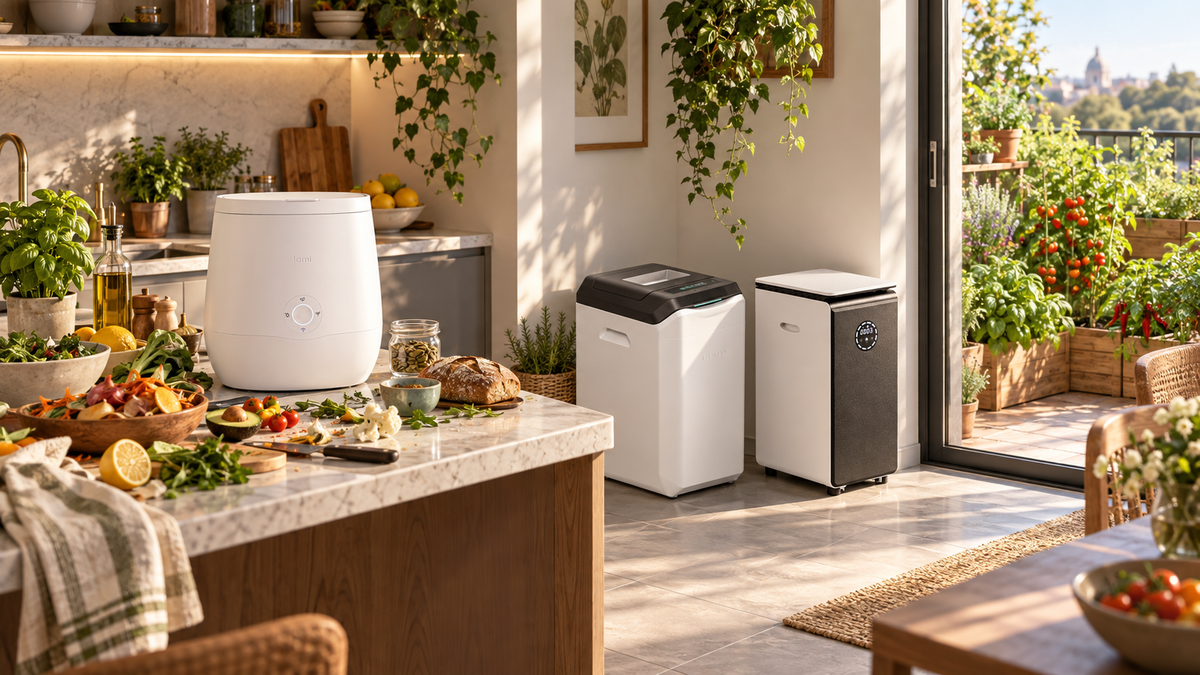
Using Terra 2 or GEME Pro
Ordinary fruit and vegetable scraps can enter GEME as part of a varied household food-waste stream.
- remove stickers and packaging;
- cut very large or dense items into manageable pieces;
- do not pour excessive free liquid into the chamber;
- avoid one large single-food load;
- Terra 2: keep individual additions at no more than 1 kg and daily suitable-food input up to 2 kg;
- GEME Pro: up to 5 kg of suitable scraps per day, with individual additions still kept manageable.
For the biological process itself, see the Complete Home Composting Guide.
Store First. Compost Last.
A soft peach that is still safe to eat is breakfast. A ripe banana can become banana bread or go into the freezer. Composting starts when reasonable edible-use options are finished.
Better Storage Means Less Food Waste
The refrigerator is one tool, not the universal destination for groceries. Store food according to ripeness, temperature sensitivity and preparation state; eat or freeze it while it is still usable; then let GEME Terra 2 or GEME Pro handle suitable unavoidable kitchen scraps through a continuous microbial process.
10. Frequently Asked Questions
What are 20 foods you should not refrigerate?
Tomatoes, potatoes, sweet potatoes, dry onions, whole garlic, winter squash, pumpkins, basil, green bananas, unripe avocados, unripe peaches, unripe nectarines, unripe pears, unripe plums, unripe mangoes, unripe papayas, whole watermelons, whole cantaloupes, bread and honey are commonly better stored outside the refrigerator in their whole or unripe state.
What foods should not be refrigerated at all?
Very few foods require an absolute “never refrigerate” rule. Honey generally does not need refrigeration, and ordinary raw potatoes are specifically recommended by FDA for storage outside the refrigerator. Most other foods have stage-specific exceptions.
Should tomatoes be refrigerated?
Whole tomatoes are generally best kept at room temperature for flavor and texture. Refrigerate cut tomatoes promptly. Fully ripe tomatoes can also be refrigerated when the goal is to slow further deterioration.
Should potatoes be refrigerated?
FDA recommends storing ordinary raw potatoes outside the refrigerator in a cool, dark place. Refrigeration can increase reducing sugars and may increase acrylamide formation when the potatoes are later fried, roasted or baked.
Should onions be refrigerated?
Whole dry onions are usually best stored in a cool, dry, well-ventilated pantry. Cut or peeled onions should be refrigerated in a covered container.
Should garlic be refrigerated?
Whole garlic bulbs generally store well in a dry, dark, ventilated location. Peeled, chopped or prepared garlic has different storage requirements and should be refrigerated or frozen appropriately.
Do bananas go in the fridge?
Green bananas should ripen at room temperature. Once bananas reach the ripeness you prefer, refrigeration can slow further softening. The peel may darken even when the fruit remains usable.
Should avocados be refrigerated?
Unripe avocados should normally ripen on the counter. Once ripe, refrigeration can slow further softening and extend the eating window.
Should bread be refrigerated?
Ordinary bread is generally better kept at room temperature for short-term use or frozen for longer storage. Refrigeration can accelerate staling. Bread with perishable fillings should follow the storage requirements of those ingredients.
Does honey need to be refrigerated?
No. Pure honey is normally stored tightly sealed at room temperature. Refrigeration is unnecessary for ordinary storage and encourages crystallization.
Should whole watermelon be refrigerated?
A whole watermelon can be kept at room temperature for ordinary short-term storage. Cut watermelon should be refrigerated promptly.
Why do some fruits need to ripen before refrigeration?
Cold temperatures slow biological ripening. Fruits such as avocados, peaches, nectarines, pears and plums are generally allowed to reach desired ripeness at room temperature before refrigeration is used to slow further softening.
Does cutting fruit change whether it needs refrigeration?
Yes. Cutting or peeling removes protective outer tissue and exposes moist internal surfaces. FDA advises refrigerating pre-cut produce and keeping appropriate refrigerated produce at 40°F / 4°C or below.
Can spoiled fruit and vegetables go into GEME?
Ordinary household spoilage such as overripe, soft or moldy fruit and vegetables can generally be processed as suitable organic food waste in GEME after packaging and stickers are removed. Food discarded because of a recall, sewage exposure or chemical contamination should follow the relevant official disposal instructions instead.
11. Authoritative Sources and Related Guides
- UC Davis Postharvest Technology — Storing Fresh Fruits and Vegetables for Better Taste
- UC Davis Postharvest Research and Extension Center — Tomato Storage
- U.S. FDA — Acrylamide and Diet, Food Storage, and Food Preparation
- U.S. FDA — Selecting and Serving Produce Safely
- Penn State Extension — Storing Staple Ingredients in the Kitchen
- Utah State University Extension — Food Waste: Shopping and Bread Storage


Hinterlasse einen Kommentar
Alle Kommentare werden vor der Veröffentlichung geprüft.
Diese Website ist durch hCaptcha geschützt und es gelten die allgemeinen Geschäftsbedingungen und Datenschutzbestimmungen von hCaptcha.